Improving Lives,
Protecting the
Planet.
Fair Trade USA™ is a pioneering Fair Trade certifier, building an innovative model of responsible business, conscious consumerism, and shared value to eliminate poverty and enable sustainable development for farmers, workers, their families, and communities around the world.
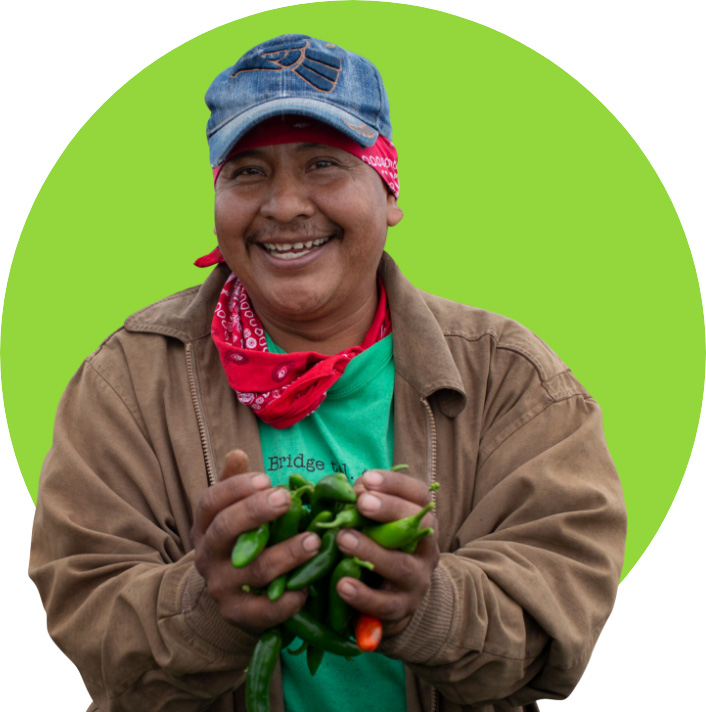

Thousands of Products Improving Millions of Lives
Fair Trade Certified™ is an award-winning, rigorous, and globally recognized sustainable sourcing model that improves livelihoods, protects the environment, and builds resilient, transparent supply chains.
The Impact of Fair Trade Certification
When you see our Fair Trade Certified label on a product, you can trust that it was made according to rigorous standards that protect the livelihoods of farmers, fishers, and other producer communities and the environment.

- Farmers, fishers, and workers are not guaranteed a minimum price or adequately compensated for their production; they are often not made aware of their rights or aren’t encouraged to provide feedback on improvements or needs.
- Less visibility into supply chains and lack of standards can result in exploitation of workers and the environment
- No extra income provided for community investments

- Guaranteed minimum price that acts as a safety net for coffee farmers and producers when the market prices are low
- Rigorous Fair Trade Certified standards ensure safe and healthy working conditions, the elimination of forced/child labor, fair and consistent compensation, and environmental protections and product traceability
- Producer communities receive additional compensation through Community Development Funds
Certification
Certification
What We Certify
Fair Trade USA is constantly expanding its program into new categories and retail locations, making it easier than ever to shop your values! Use your purchasing power for good by choosing from the thousands of items that feature the Fair Trade Certified label.


Who We Partner With
We work with more than 1,500 trailblazing partners that have transformed their business with Fair Trade Certified. As a leading third-party certifier of Fair Trade products, our model is based on rigorously-maintained standards that set the global benchmark for sustainable sourcing.
Brands


Retailers


Producers


Success Stories

Ricardo Crisantes, Co-Owner and CCO
“Fair trade is one of the most credible and effective certification models on the market that helps farmers improve their lives and develop their communities more sustainably. I’ve seen it’s powerful impact first hand on our family’s farms.”

Helen Russell, CEO
“Fair Trade Certified is an amazing initiative. What it does is it raises consciousness around what is possible when you use business as a force for good in the world. Any company that adopts the Fair Trade model is making a statement in terms of who they are and what their vision is. Consumers want ethically sourced products, and that’s what Fair Trade is all about. That’s why you see so many other companies buying Fair Trade products.”

Steve Shriver
“Fair Trade Certified products take all stakeholders into account, not just the shareholders. We can confidently say that Eco Lips products are sustainably and ethically sourced, ensuring the growers are treated and compensated fairly. Fair Trade is the right thing for the people and the planet!”



Resources & Articles

Learn about Certification
By partnering with us, you’ll be joining a diverse network of producers, companies, shoppers, and advocates who are committed to building a more equitable model of trade.

Join Us
The Fair Trade Community is a gathering place for Fair Trade shoppers, advocates, allies, and donors, united as changemakers creating a better world.